
The Ultimate Guide to Packing and Preparing for Your Move
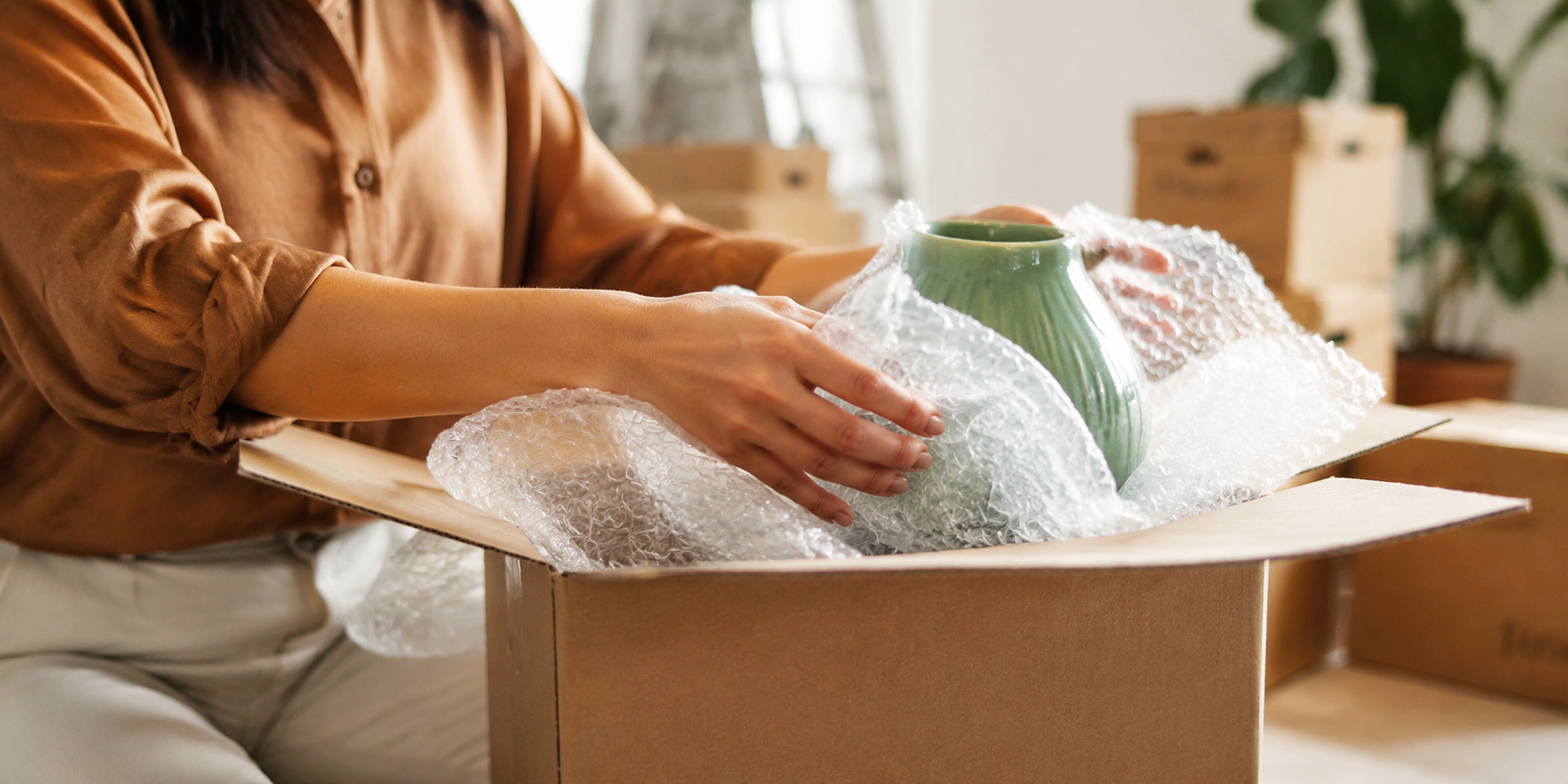
Whether you’re relocating across town or moving to a new city, one of the most challenging aspects of a house move is packing and preparing for the big day. Proper planning and organization are essential to ensure a smooth and stress-free move.
In this ultimate guide to packing and preparing for your move, we’ll break down the entire process, offering tips, tricks, and expert advice to help you pack efficiently, reduce stress, and make the transition to your new home as easy as possible.
1. Start Early: The Key to a Smooth Move
The earlier you start packing, the better. Packing is a time-consuming task, and the more time you give yourself, the more organized and less stressful the process will be. Ideally, start packing at least 3-4 weeks before your moving date. Begin with items you don’t use daily, such as seasonal clothing, books, or decorative items. This allows you to pace yourself and prevents last-minute chaos.
Pro Tip:
Use a moving calendar to create a timeline for each task, from decluttering your home to contacting moving companies. Having a clear plan helps keep you on track and avoid missing important steps.
2. Declutter: Make Moving Easier by Getting Rid of Unnecessary Items
Before you begin packing, take the opportunity to declutter your home. Moving is the perfect time to get rid of items you no longer need or use. Not only will this make packing easier, but it can also save you money on moving costs since many moving companies charge based on weight.
Go through each room and decide what you want to keep, donate, or discard. You can organize a garage sale or donate items to charity. Be sure to properly dispose of items that can’t be donated, such as old electronics or expired medications.
Pro Tip:
When decluttering, start with one room at a time. This keeps the process manageable and prevents feeling overwhelmed.
3. Gather Packing Supplies: The Right Tools for the Job
Having the right packing supplies is essential for keeping your belongings safe during the move. Ensure that you have plenty of sturdy moving boxes in various sizes, packing tape, bubble wrap, packing peanuts, and markers for labeling boxes. Here’s a checklist of essential packing supplies:
- Moving boxes in different sizes (small, medium, large, and wardrobe boxes)
- Bubble wrap and packing paper for fragile items
- Packing tape to seal boxes securely
- Labeling markers for marking boxes with their contents and destination room
- Stretch film for wrapping furniture and other large items
- Furniture covers to protect delicate surfaces
If you’re unsure where to find packing supplies, many moving companies sell or offer them as part of their services.
Pro Tip:
It’s a good idea to pack heavier items in smaller boxes and lighter items in larger boxes. This helps prevent boxes from becoming too heavy and difficult to move.
4. Pack Strategically: Room by Room
When packing, it’s best to take a room-by-room approach. Start with rooms that are used less frequently, such as guest rooms or storage areas. Then, gradually move to the more commonly used rooms, like the kitchen, living room, and bedrooms.
Be sure to use proper packing techniques for different types of items. Here’s a quick guide on how to pack some of the most common household items:
Kitchen
- Glassware & fragile items: Use bubble wrap or packing paper to protect breakables like glassware, dishes, and cups. Pack them vertically, like records, to prevent them from shifting.
- Small appliances: Wrap them in packing paper, then place them in boxes. If possible, keep the original packaging for added protection.
- Food items: Dispose of expired food and pack non-perishable items in boxes. Avoid packing open or perishable foods, as they may spill or spoil during transit.
Bedrooms
- Clothes: If you have a lot of clothes, consider using wardrobe boxes. These allow you to hang your clothes directly in the box, preventing wrinkles.
- Bedding & linens: Fold and pack your bedding and linens in medium-sized boxes. You can also use bedding and towels to cushion fragile items like lamps or vases.
- Furniture: Disassemble any furniture that can be taken apart, like bed frames or bookshelves, to save space and make them easier to transport.
Living Room
- Electronics: For TVs, computers, and other electronics, use their original packaging if available. If not, wrap them in bubble wrap and secure them in sturdy boxes. Label the boxes clearly as “fragile.”
- Furniture: Protect furniture with furniture pads or stretch film. If possible, disassemble larger items to make them easier to move.
Pro Tip:
Label each box with the room it belongs to and a brief description of its contents. This makes it easier to unload and unpack, saving time on moving day.
5. Secure Important Documents and Valuables
One of the most important steps when preparing for your move is securing your valuable items and important documents. These should be kept separate and not packed with the rest of your belongings.
Gather all your important documents, such as passports, birth certificates, insurance papers, and financial records, and place them in a folder or binder. Consider carrying these documents with you on the day of the move rather than packing them with your belongings.
Additionally, valuable items like jewelry, family heirlooms, and expensive electronics should be packed securely in your personal bags or a small box, separate from the rest of your items.
Pro Tip:
If you have a safe deposit box, now’s a great time to check it and make sure you have everything you need before the move.
6. Hire Professional Movers or Rent a Truck
If you’re planning to hire professional movers, make sure to do so well in advance. Many moving companies get booked up quickly, especially during peak seasons. Contact moving companies to get quotes and inquire about their availability. Be sure to read customer reviews and choose a reputable company that offers the services you need, such as packing, loading, and unloading.
If you’re going the DIY route, rent a moving truck that is appropriate for the size of your move. Don’t forget to schedule the truck rental ahead of time to ensure availability.
Pro Tip:
If you’re moving locally, check if your new home has parking for a large moving truck or if any permits are required.
7. Packing the Day Before the Move
In the final days before your move, pack up any last-minute items you’ve been using daily, such as toiletries, clothing, and kitchen essentials. Make sure to set aside an “essentials box” that includes everything you’ll need on moving day, such as:
- Personal hygiene items (toothbrush, soap, etc.)
- Important documents (ID, paperwork, etc.)
- Phone chargers and electronics
- A few days’ worth of clothing and toiletries
- Snacks and drinks for the move
Pro Tip:
Pack your bed, pillows, and blankets last so you can get a good night’s sleep before the big day.
8. Final Checklist: The Day of the Move
On the day of your move, take the following steps to ensure everything goes smoothly:
- Do a final walkthrough of your old home to ensure you haven’t left anything behind.
- Ensure your moving company or truck rental is on time and ready to go.
- Keep your essentials box and valuables separate and with you during the move.
- Check that utilities are transferred to your new home and that everything is in order before you leave.
- Stay organised during the move by directing movers and ensuring that all items are handled with care.
Pro Tip:
Stay calm and keep a positive attitude. Moving can be stressful, but a little patience and organization can go a long way in ensuring everything goes according to plan.
9. Unpacking and Settling into Your New Home
Once you arrive at your new home, unpack strategically. Start with essential items like toiletries, bedding, and kitchenware. Gradually work your way through the boxes room by room. Take your time to arrange furniture and belongings thoughtfully, creating a comfortable and organized living space.
Pro Tip:
As you unpack, consider donating or selling items you no longer need. This can help you declutter and avoid bringing unnecessary items into your new home.
Conclusion
Packing and preparing for a move may seem like a daunting task, but with proper planning and organization, it can be an efficient and stress-free process. By following these expert tips, you’ll be able to pack your belongings securely, stay organized, and ensure a smooth transition to your new home. Whether you’re moving across town or across the country, a little preparation can go a long way in making your move a success. Happy moving!